
The Cold Case That Haunts Braun
The Good Nurse: A True Story of Medicine, Madness, and MurderThis thread follows Braun’s unresolved investigation of Ethel Duryea and how its institutional obstruction shapes his approach to the Cullen case.
increasing Bearing strength in each event
 decreasing
Bearing strength in each eventdecreasingA Nurse Is Shot
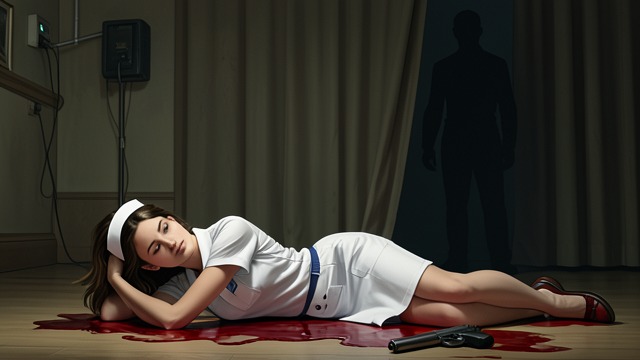
A Nurse Is Shot
A Public Murder
Ethel Duryea, a respected nurse, was found shot in an affluent Newark neighborhood. Her purse remained untouched, and detectives had no witnesses or immediate explanation for the killing.
A Case with Influence
The victim’s social connections and the unusual circumstances brought attention to the case. Tim Braun pursued the investigation, gradually linking the bullet to a gun associated with a larger insurance scheme.
What seemed like an isolated street crime began to point toward institutional corruption. Braun’s growing commitment would put him at odds with the people who controlled the investigation.
A Dangerous Connection
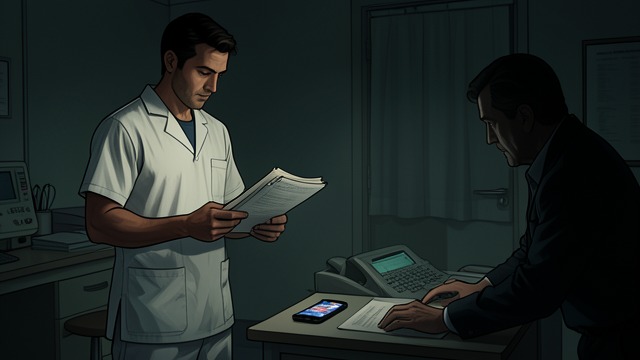
A Dangerous Connection
Information for Sale
Braun found that private patient information from hospital emergency rooms was being sold to lawyers pursuing accident claims. He suspected that Duryea’s murder might have been connected to a whistleblower or a larger scheme.
Pressure to Stop
His superiors told him to leave the investigation alone. When Braun resisted, he was transferred away from homicide work and made to understand that his career and pension could be at risk.
The conflict was no longer only about solving a murder; it was about whether the institution wanted the truth exposed. Braun learned that a powerful lead could be treated as a threat rather than an opportunity.
The Case Goes Cold
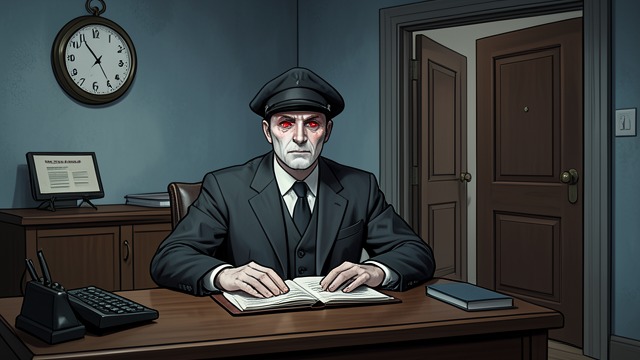
The Case Goes Cold
A Detective Moved Aside
Braun’s investigation stalled, and he left the homicide unit. The gun connection remained in his knowledge, but the case did not lead to a public identification of Duryea’s killer.
A Personal Mark
The unresolved case haunted him, contributing to stress and illness. He came to believe that his work had been limited to maintaining the machinery of power rather than delivering justice.
The case became a lesson in the difference between knowing something and being able to act on it. Braun carried that lesson into a new county, where he would confront another institution’s resistance to a murder inquiry.
A New Assignment
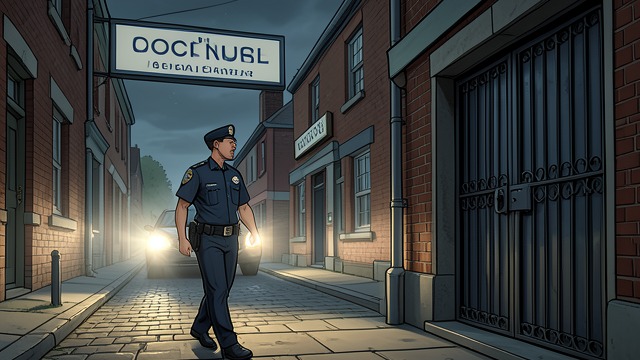
A New Assignment
Leaving Newark
Braun moved to Somerset County for a quieter job and the prospect of a secure retirement. The change seemed to offer a way out of the violence and institutional conflict that had defined his earlier work.
A Case Reopens Old Doubts
When the Somerset hospital deaths arrived, Braun initially treated them as an inconvenient medical puzzle. As he learned about delayed reporting and prior warnings, he recognized the possibility of another case being softened by institutional interests.
The new investigation brought his earlier frustration into the present. He could either accept the limits placed around the case or push against them again.
A Later Partial Resolution
A Later Partial Resolution
The Gun Connection Emerges
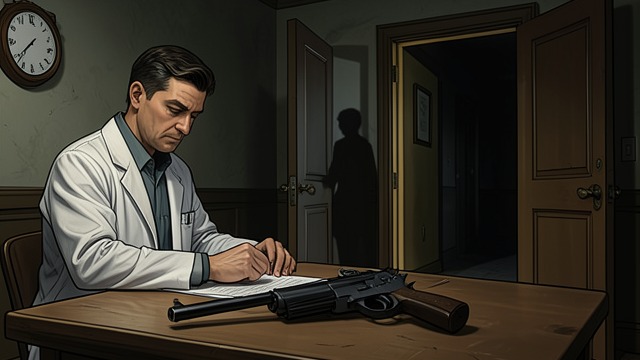
Years after Braun’s investigation, reporting revealed that the weapon linked to Duryea’s murder had also been used in another killing. The information supported a key part of Braun’s earlier work.
No Named Killer
Despite the partial confirmation, Duryea’s killer remained officially unidentified. The case never delivered the clear resolution Braun had sought for the victim’s family.
The late disclosure affirmed Braun’s instincts without repairing the institutional failure that had stopped the investigation. Duryea’s unresolved story remained a warning about justice delayed until it can no longer fully serve the dead.
1995
1996
Late 1990s
Around 2000
2010
